Japanese Wave Cat Sushi
As an embroidery designer and product reviewer, I’ve evaluated countless machine embroidery designs. Japanese Wave Cat Sushi stands out for its playful charm and visual appeal, but it’s not a one-size-fits-all solution. Let me walk through how this design performs in real-world projects and what to consider before using it in your work.
The First Impression: A Whimsical Blend of Culture and Humor
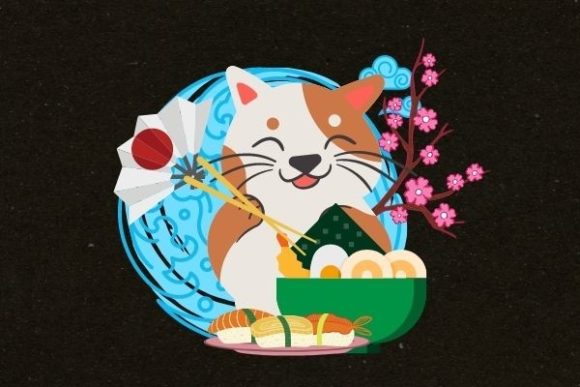
Japanese Wave Cat Sushi immediately evokes a sense of fun and creativity. The design combines elements of traditional Japanese art—like the wave motif—with a modern twist, featuring a cat holding sushi. It’s whimsical, nostalgic, and visually engaging. The layout is balanced, with clear focal points that make it easy to adapt to various embroidery formats.
The level of detail is moderate, which means it works well on medium-sized hoops without becoming too dense. It’s ideal for projects that require a touch of personality, like custom apparel or handmade gifts. However, its complexity may limit its use on very small or highly textured fabrics.
Real-Life Use Cases: Where Japanese Wave Cat Sushi Shines
I recently used Japanese Wave Cat Sushi on a custom tote bag design for a client who wanted something unique for their boutique. The design looked great on a light-colored canvas fabric, and the stitch density was just right for a casual, handmade feel. It also worked well as an embroidered patch for a sweatshirt, where the details remained visible without being overwhelming.
This design is perfect for:
- Custom apparel such as t-shirts, sweatshirts, and caps
- Personalized baby items like onesies and blankets
- Holiday gifts, especially for cat lovers or food enthusiasts
- Boutique merchandise and Etsy listings
- Printable mockups and digital product previews
It also has potential for commercial embroidery projects, provided the licensing allows for resale. As a digital embroidery file, it’s versatile enough to be used in multiple formats, including SVG, PNG, and JPG.
Where to Be Cautious: Limitations and Practical Considerations
While Japanese Wave Cat Sushi is visually appealing, there are scenarios where it might not perform as well. For example, on small hoop sizes, the design could become too cramped, leading to stitching issues. If you’re planning to use it on thin or stretchy fabrics, you’ll need to ensure proper stabilizer is used to prevent puckering or distortion.
On dark fabrics, the contrast between the design and the background may be less effective unless you choose appropriate thread colors. Similarly, if you’re working with layered garments or curved surfaces like caps, the design’s intricate parts may not sit as smoothly as expected.
For projects that require frequent washing, such as kitchen towels or baby clothes, it’s wise to test the design on a scrap fabric first. This will help you assess how the stitches hold up over time and whether the design maintains its clarity.
Impact on Visual Appeal and Customer Perception
Japanese Wave Cat Sushi adds a unique flair to any project. Its playful theme can elevate the visual appeal of handmade products, making them more attractive to buyers looking for something different. When used on custom apparel, it can enhance the perceived value of the finished product, especially if paired with high-quality thread and proper stitching techniques.
From a customer perspective, the design is likely to generate positive reactions. It’s eye-catching and instantly recognizable, which makes it ideal for personalized gifts or branded merchandise. However, its success depends on how well it’s executed. Poorly stitched or mismatched thread colors can diminish its impact.
Practical Designer Notes: Tips for Using Japanese Wave Cat Sushi
Before committing to a project, here are some key steps I recommend:
- Test on scrap fabric: Always try the design on a similar material to see how it looks and stitches.
- Check thread color contrast: Ensure the chosen threads stand out against the fabric, especially on darker backgrounds.
- Review stitch density: Avoid areas where the design is too dense, as this can cause bulk or affect the fabric’s drape.
- Confirm hoop size: Make sure the design fits within your machine’s hoop limitations.
- Inspect small details: Pay attention to corners and curves to ensure they stitch cleanly.
- Use proper stabilizer: This is essential for preventing puckering, especially on delicate or stretchy materials.
- Check licensing: Confirm whether the design can be used for commercial purposes or sold as a finished item.
These steps will help you avoid common pitfalls and ensure the final product meets your expectations.
Final Thoughts: A Fun Design with Practical Potential
Japanese Wave Cat Sushi is a fun and creative design that can add character to a wide range of embroidery projects. Its visual appeal and thematic uniqueness make it a strong choice for handmade products, custom apparel, and personalized gifts. However, its performance depends on how it’s applied and the materials used.
If you’re an Etsy seller, craft business owner, or embroidery designer looking for a fresh and engaging design, Japanese Wave Cat Sushi is worth considering. Just remember to test it thoroughly and use it in contexts where its strengths shine through.
Ultimately, the success of any embroidery project comes down to thoughtful execution. Japanese Wave Cat Sushi has the potential to be a standout piece, but it’s up to you to bring it to life with care and creativity.